

How to Get More Google Reviews for Your Med Spa: Scripts and Safeguards

In short: The safest way to get more Google reviews is to ask every eligible client for feedback through the same neutral process. Use one verified review link, pick a consistent moment, never offer incentives or ask only happy clients, and stop when a client responds or opts out. Treat replies as public: acknowledge the comment without confirming treatments, appointments or even that the person is a client.
The safest way to get more Google reviews is to ask every eligible client for an honest review through the same neutral process.
That means using one verified review link, choosing an operationally consistent moment, asking for honest feedback rather than a positive rating, and stopping messages when the client responds or opts out. It also means treating public replies as public: acknowledge the comment without confirming treatments, appointments, diagnoses, payment details, or even a reviewer’s client status.
This guide gives med spa teams a seven-step workflow, adaptable scripts, and guardrails for the moments where reputation work can create policy or privacy risk.
What Google reviews can—and cannot—do for a med spa
Google says local results are mainly based on relevance, distance, and prominence. It also says more reviews and positive ratings can help local ranking. Reviews therefore belong in a complete local presence, but they are not a guaranteed route to a particular rank, booking total, or revenue result.
Reviews can help a prospective client understand how other people describe the clinic’s service. They can also expose recurring experience problems. They should not be manufactured, filtered to show only praise, or treated as a substitute for accurate profile information and a strong client experience.
For the wider profile and ranking workflow, use Workee’s local SEO guide for med spas. This article stays focused on asking, replying, and measuring.
A seven-step Google review workflow for med spas
1. Verify the profile and create the official review link
Start with the clinic’s verified Google Business Profile. Google provides a review link or QR code that can be shared in appropriate touchpoints such as thank-you emails, receipts, chat interactions, or displayed materials.
Test the link on a phone that is not signed into the business account. Confirm that it opens the correct location, especially if the company operates more than one clinic. Keep one approved link per location in the team’s shared workflow rather than asking staff to search for it each time.
Do not publish a newly generated QR code without testing its destination and print contrast. If the destination changes, replace every controlled copy.
2. Define neutral eligibility before anyone sends a request
Create a rule the team can apply without guessing whether a client is happy. For example: send a request after a completed, genuine client interaction when the person is eligible for ordinary follow-up and has not opted out.
Do not ask only people who gave positive private feedback. Do not route unhappy clients to a private form while sending happy clients to Google. Google’s fake-engagement policy prohibits rating manipulation and discouraging or prohibiting negative reviews. The FTC also warns that asking only customers expected to leave positive reviews can mislead consumers.
Never offer cash, discounts, entries, free treatments, loyalty points, or another benefit for a Google review. Google’s guidance expressly prohibits incentives for reviews.
Write the eligibility rule down. Include exclusions for opt-outs, unresolved safety concerns, duplicate requests, and any scenario your privacy or compliance lead says should not enter an automated flow.
3. Pick a consistent moment without exposing treatment details
The right moment is one the clinic can operate consistently—not a moment selected because someone appears delighted. A post-visit workflow might begin after an appointment is marked complete, followed by a neutral thank-you and review invitation.
Keep the public-facing copy general. Avoid naming a procedure, condition, prescription, body area, or result. A message such as “Thank you for visiting our clinic” reveals less than “How are you feeling after your injectable treatment?”
For multi-location businesses, make sure the request points to the location the client actually visited. Define how cancellations, no-shows, reschedules, refunds, and clinical escalations leave or pause the sequence.
4. Use one neutral link across approved touchpoints
The clinic does not need a different pitch in every channel. It needs one approved message pattern and the same correct review destination.
Adapt these scripts to the clinic’s consent, messaging, and brand requirements:
In person
“Thank you for visiting us. If you’d like to share your experience, we can send you our Google review link. Honest feedback helps people understand what to expect.”
SMS
“Thanks for visiting [Clinic]. If you’d like, you can share honest feedback here: [review link]. Please reply STOP if you don’t want messages from us.”
Subject: Share feedback about your visit
“Thank you for visiting [Clinic]. If you’d like to share an honest review of your experience, you can use this link: [review link]. We read feedback and use it to improve.”
Receipt or counter card
“Share honest feedback about your experience: [short link or tested QR code].”
Do not add “five stars,” “if you loved your visit,” or language that makes a positive rating the price of participation.

Use one approved review link across the touchpoints your clinic can operate consistently.
5. Automate the handoff, not the judgment
Automation can help the clinic send the approved request at a predictable time. It should not decide which clients seem likely to leave praise.
Define these controls before switching on a sequence:
the event that makes a client eligible;
the delay before the first request;
the approved channel and consent requirement;
suppression for opt-outs and unresolved exceptions;
deduplication across staff and systems;
a frequency cap for returning clients;
a stop rule after a reply, opt-out, or other defined outcome;
a named owner for failed deliveries and complaints.
One reminder may be reasonable if it complies with the clinic’s messaging rules, but repeated review requests can damage trust. A sample reminder is: “A quick reminder, if you’d like to share honest feedback about your experience, here is our Google review link: [link]. No action is needed.”
6. Reply without confirming private details
Google says verified businesses can reply to reviews and those replies are public. A response can show that the clinic listens, but the reply must be written for everyone who may read it—not as an account discussion with the reviewer.
A public reply is not the place to prove that the clinic is right.
The privacy risk is not theoretical. In a published enforcement action, the U.S. Department of Health and Human Services described a provider’s disclosure of protected health information while responding to a negative online review. Clinics should have qualified privacy counsel define their own rules rather than assume a reviewer’s post authorizes the clinic to discuss their care.
Use a restrained framework:
Thank the reviewer for the feedback.
Avoid confirming whether the person is a client or discussing any visit.
State that the clinic cannot address individual matters publicly.
Offer an approved private contact route.
Route the issue to a named owner and document the private follow-up appropriately.
General positive reply
“Thank you for taking the time to share feedback. We appreciate hearing from our community.”
General concern reply
“Thank you for sharing your feedback. We cannot discuss individual matters in a public forum, but our team would welcome the opportunity to listen. Please contact [approved channel].”
Avoid mirroring details from the review, using before-and-after language, identifying staff involved in care, or saying “we checked your chart.” Even a friendly confirmation can disclose more than the clinic intends.
Move service recovery out of the public thread
The public reply is only an acknowledgment and invitation to continue privately. It should not contain the investigation, explanation, refund discussion, clinical advice, or case resolution.
Create an internal route for whoever monitors reviews: capture the URL, date, platform, issue category, assigned owner, and next action without copying unnecessary sensitive information into general marketing tools.
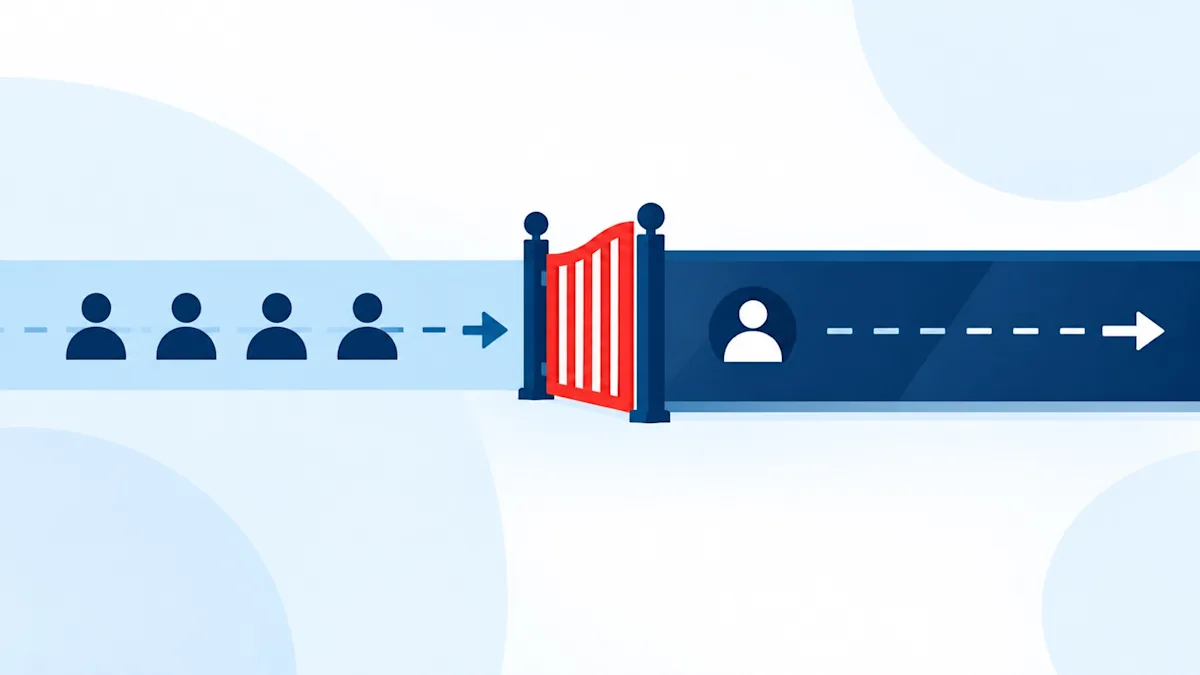
Keep the public acknowledgment brief and move account-specific resolution to an approved private channel.
7. Report policy violations—do not report criticism just because it hurts
Google provides a process to report reviews that violate its policies. Google also states that businesses should not report a review merely because they disagree with it or dislike it.
Before reporting, identify the exact policy provision that may apply and preserve a minimal internal record of the decision. Do not ask employees or clients to mass-report ordinary negative feedback. If the content raises a safety, legal, or privacy issue, follow the clinic’s escalation process.
How Workee can support the workflow
Workee presents Jenny as an AI teammate that can support review-request flows, and its medical-spa page describes automatic post-visit review requests. Client and appointment context can help a clinic place that request inside a broader follow-up workflow rather than rely on staff memory.
The clinic still owns the operating rules: who is eligible, which channels are authorized, what the message says, when requests stop, and how exceptions are handled. A team member should review the final copy and monitor the visible messages and outcomes.
Workee is not presented here as a Google Business Profile manager, review-removal service, privacy adviser, or guarantee of more reviews. To evaluate the workflow, ask for a demonstration using one eligible visit, one opt-out, and one unresolved exception. See Workee for medical spas or explore Workee’s client workflows.
Measure the process without inventing attribution
Track operational measures the clinic can define and audit:
eligible completed interactions;
requests attempted and delivered;
link clicks, if the approved system makes them available;
replies and opt-outs;
duplicate or suppressed requests;
newly observed public reviews;
review volume and rating trends by location;
profile actions available in Google Business Profile reporting;
issues routed to service recovery and time to ownership.
A new review appearing after a request does not prove that the request alone caused it, and a rating change does not prove a revenue change. Use the measures to improve process consistency and client experience, not to manufacture a causal claim.
Google review workflow checklist
Before launch, confirm that the clinic has:
a verified profile and tested review link for each location;
a written, sentiment-neutral eligibility rule;
no incentives or positive-only branching;
approved SMS and email wording;
documented permission, suppression, and stop rules;
frequency caps and duplicate protection;
privacy-reviewed public reply templates;
a private escalation owner;
a documented process for possible policy violations;
a monthly review of workflow errors and client feedback.
Frequently asked questions
Can a med spa offer a discount for a Google review?
No. Google’s guidance prohibits offering incentives in exchange for reviews. Do not offer a discount, gift, loyalty benefit, contest entry, or treatment credit for posting one.
Can we ask only satisfied clients to leave a review?
Do not condition the Google request on positive sentiment. Use a consistent eligibility rule for genuine client interactions and invite honest feedback. Selectively asking only people expected to post praise can mislead consumers and creates review-gating risk.
Should a med spa respond to every Google review?
Consistency is useful, but a clinic should not trade privacy for speed or completeness. Use approved general templates, escalate sensitive situations, and avoid confirming that a reviewer received care. Define the clinic’s response policy with qualified privacy and legal guidance.
Can Google remove a negative review?
Google may remove content that violates its policies. It does not remove a review merely because a business dislikes or disputes it. Report only when the clinic can identify a relevant policy issue, and use the private service-recovery process for ordinary complaints.
How often should a returning client receive a request?
There is no universal frequency that fits every clinic. Set a defensible cap based on visit pattern, channel permissions, and client experience. Prevent duplicate requests from separate staff or systems and suppress the sequence after an opt-out.
Build a review process clients can trust
More review requests are not the goal by themselves. The goal is a repeatable process that gives eligible clients a genuine choice, protects private information, and helps the clinic learn from feedback.
Build the process around genuine experience, neutral language, privacy, and a reliable stop rule.
If your team is currently sending requests by hand, see how Workee supports medical-spa follow-up workflows and ask for a demonstration using your real eligibility and exception rules.



Keep updated about latest industry insights and subscribe to our newsletter
Follow Us


