
How Top Clinics Turn 1 Visit Into 5
One visit isn’t a business—five visits is. Your real growth happens when clients come back, not when they’re shopping around. We analyzed clinics that doubled their repeat bookings, and the pattern is unmistakable: they automate the follow-up while keeping it personal.
A med spa in Atlanta increased their repeat rate from 32% to 51% in four months. Their secret wasn’t fancy pricing or a bigger facility. It was a single step: sending the right message at the right time.
Why Your First-Time Clients Fade Away
You nail the first appointment. The client leaves happy, skin glowing, ready to tell their friends. Then nothing happens.
Here’s the truth: your client isn’t thinking about you tomorrow. They’re thinking about work, kids, the project deadline. They meant to rebook. They’ll get around to it. But two weeks pass, then a month, and they book somewhere else instead.
This isn’t laziness—it’s friction. Rebooking takes effort. Your client has to remember they need an appointment. Find your number. Wait for someone to pick up. Check their calendar. Then do it all over again for the next visit.
Clinics that solve this problem win. The ones that don’t watch clients disappear into competitor waiting rooms.
What Happens When You Follow Up Right
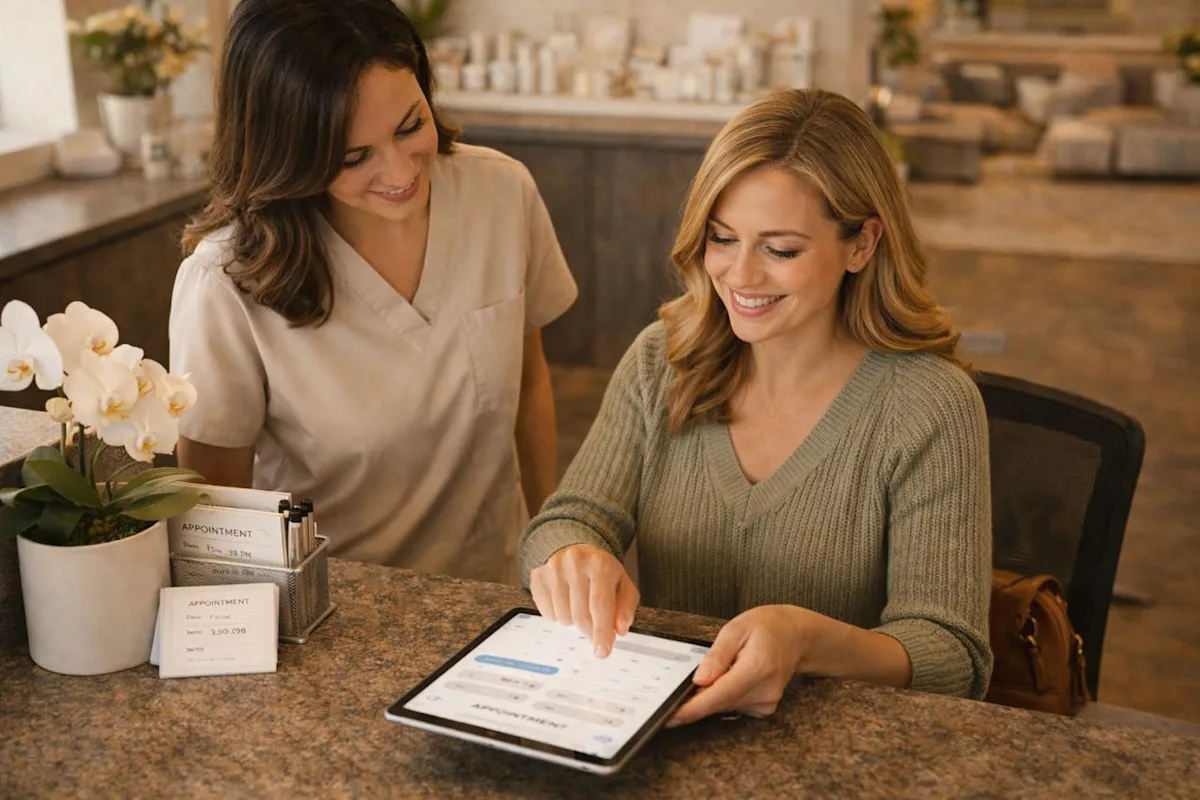
The Atlanta med spa started with a simple system: within 48 hours of each visit, new clients got a personalized welcome message. Not a generic blast. A real acknowledgment of what they came in for.
“Hey Maria—we loved meeting you yesterday! Your skin looked amazing when you left. We’re already seeing results from your facial. When you’re ready to book that monthly glow-up we talked about, we’ve got you reserved for April 15th at 2 PM. Just confirm?”
Seven of ten new clients confirmed that spot.
That’s the pattern. Speed (48 hours), personalization (by name, by service), and a specific option (not “call us sometime”). The goal isn’t to close the sale. It’s to remove the friction so the client can say yes.
Then came the second layer. Two weeks before they were due for their next visit, clients got a reminder. Not aggressively—just a heads up: “Your next appointment is two weeks out! Want to book it this week and lock in your preferred time?”
Two-week reminders captured another 15-20% of clients who might have otherwise forgotten.
The Unexpected Insight: Seasonal Offers Drive Timing
Here’s something clinic owners don’t always expect: clients respond better to offers tied to when they need you, not when you need revenue.
The Atlanta med spa tested this. In March, they ran a spring skin refresh campaign targeting clients who hadn’t been in since January. “New season, new glow” messaging. The offer wasn’t a desperate discount. It was a real service bundle: facial + light peel at a package price.
Conversion rate: 37% of invited clients rebooked.
Compare that to a random “20% off” email that got 8% engagement. Same discount, totally different framing. The seasonal angle made it feel timely, not desperate.
Your clients aren’t ignoring you because they don’t need you. They’re ignoring you because they don’t know it’s the right time to come back. A Spring Special works because everyone knows March is when skin gets cranky. A “finish your skincare gift card” works because it reminds them they already committed.
How to Build Your Follow-Up System (Without the Manual Work)
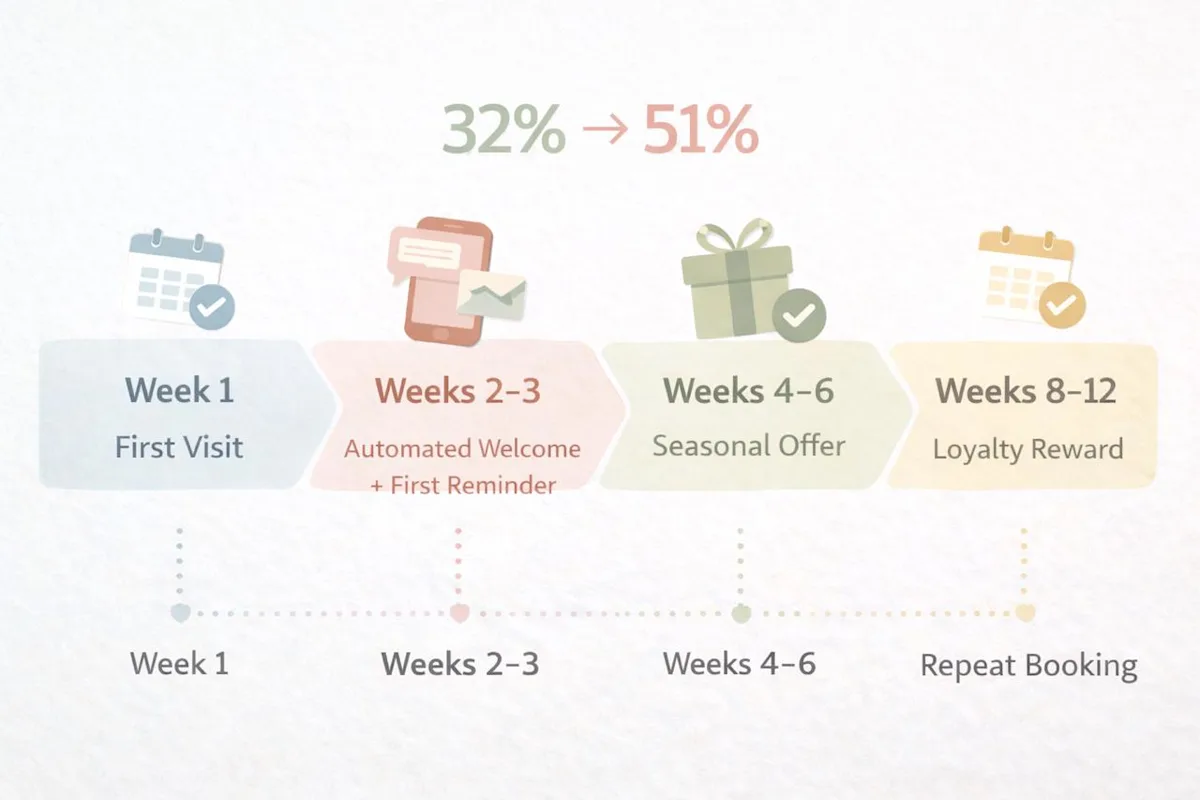
Three years ago, the only way to do this was hiring someone part-time to send texts and emails. Now that’s inefficient. The best clinics automate it.
Here’s the engine that works:
1. Welcome Sequence (Day 1-2) The moment someone books or walks in, they trigger a welcome message. It lands before the appointment high wears off. Name them. Thank them. Suggest the next logical step. Offer to pre-book it.
2. Reminder Cycle (Week 2-3 before due date) Calculate when they’re due based on the service. Send a heads-up. “Your next glow-up is coming up—lock in your favorite time this week?”
3. Seasonal/Promotional Triggers (Quarterly) Tie offers to real seasons and events. Spring glow-up. Summer sun damage prevention. Fall color refresh. Winter hydration intensive. Each has a real reason to rebook.
4. Loyalty Recognition (Every 5th visit) Some clients slip into the background after they’ve been loyal. Celebrate them differently. A thank-you gift card. “Rewards double this month for our best clients.” Unexpected recognition converts hard.
5. Recovery Campaign (60+ days since last visit) You notice they’ve gone quiet. Instead of hoping they’ll come back, reach out. “We miss you! Here’s 15% off to get back on your glow journey.” Sometimes people just need permission to return.
The clinics doing this right aren’t sending 50 messages a week. They’re sending 3-4 really good ones at the right moment.
A Real-World Scenario: The Lash Studio That Lost Clients
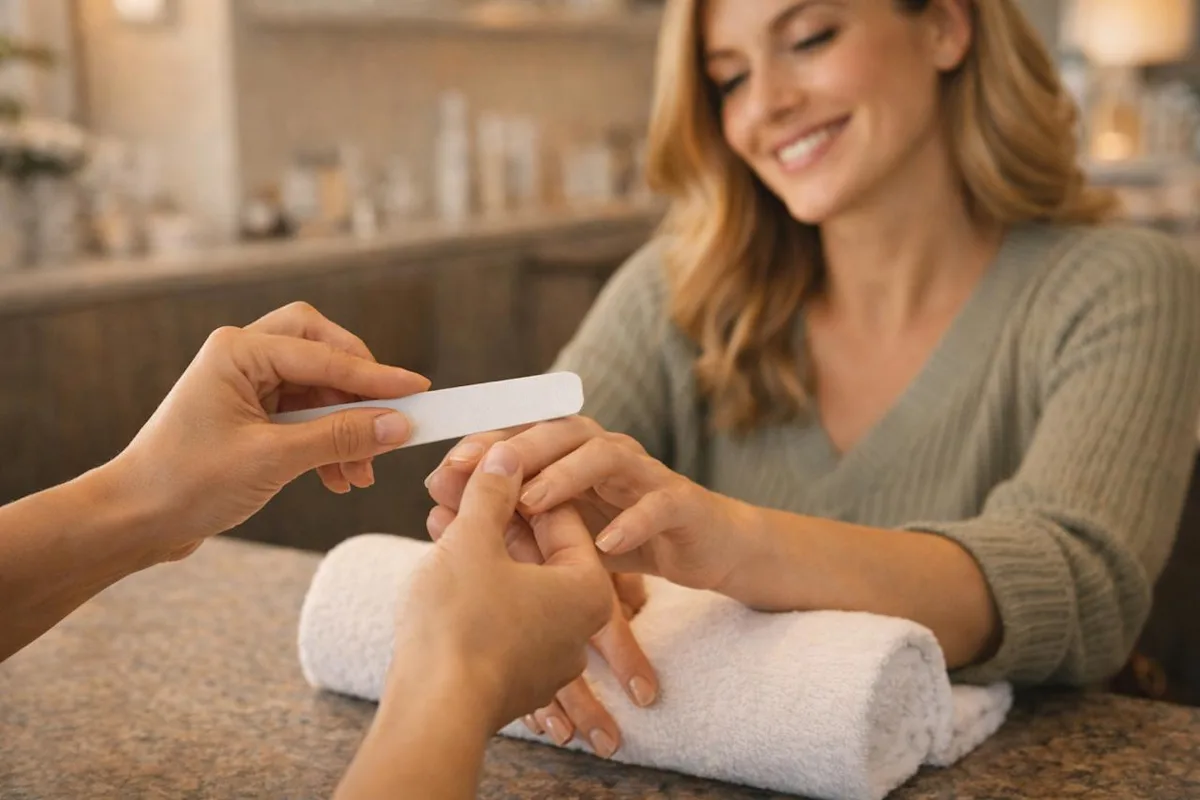
One lash studio in Portland was stuck at 35% repeat rate. They booked solid. But almost no one came back.
Owner watched her intake form data and realized the problem: lash clients almost always came in during one of two windows—right before a vacation or right before a big event. After the event, they forgot they had lashes.
The fix: when someone booked, they asked why. Vacation? Wedding? Work event? Then, the day before that event, they sent a reminder: “Your lashes are going to look AMAZING tomorrow. Love that you chose us!”
Three days after the event, they sent a quick message: “How did it go? Lashes still flawless? Let’s keep that glow—ready to rebook?”
Conversion jumped to 47%. Then they added seasonal messaging for the off-months. “Getting ready for summer? Fresh lashes for vacation?”
Within three months, they hit 58% repeat rate.
The lesson: you have to know why your client came in to know when to reach back out.
The Real Cost of Doing Nothing
Let’s say your clinic brings in 50 new clients a month. If 32% rebook, that’s 16 returning clients. If you get to 51%, that’s 25.
Nine extra returning clients per month. Assume each client visits 4x per year once they convert to regular. That’s 36 extra visits per year from just fixing your follow-up game.
If your average service is $150, that’s $5,400 in extra revenue from the same new client volume. No extra ad spend. No bigger facility. Just better follow-up.
And that’s just year one. Once clients get into your loyalty loop, they stick around for years.
Ready to Automate Your Repeat Rate?
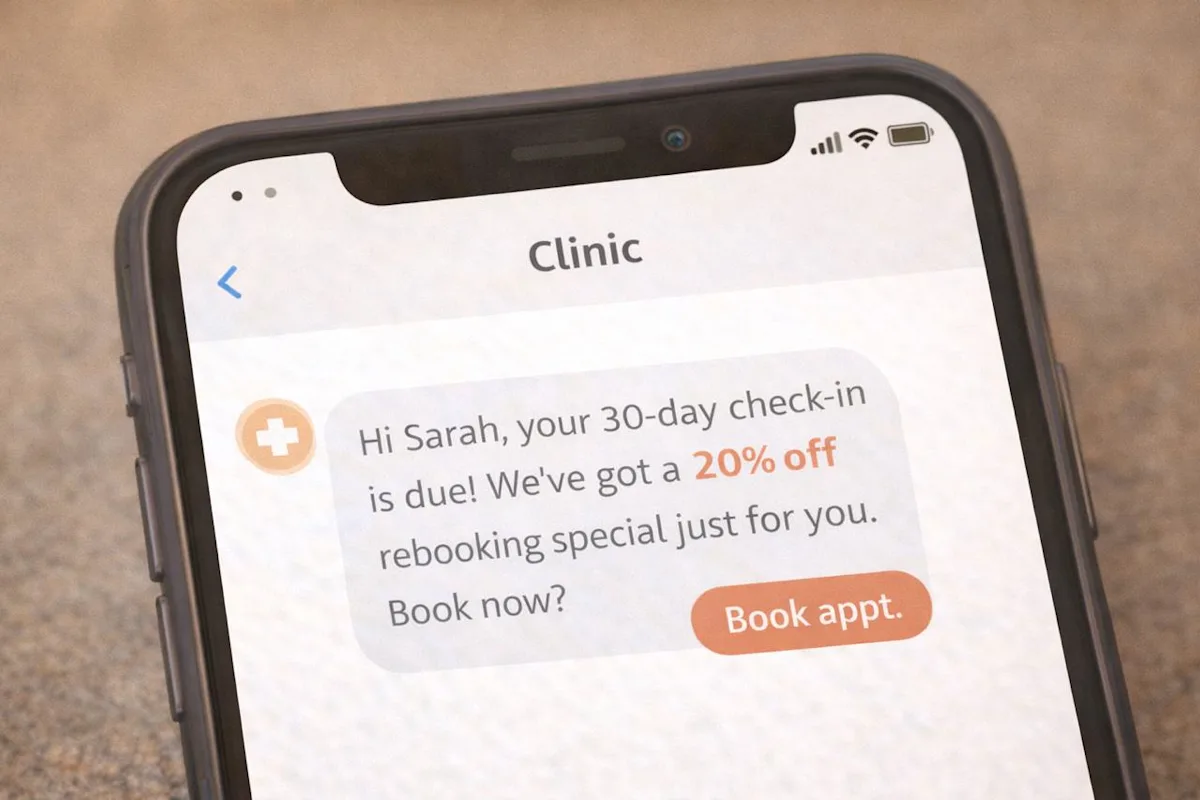
This is where Workee.ai’s Jenny AI Marketing Assistant comes in. Jenny handles the entire follow-up sequence automatically. She sends personalized welcome messages, tracks when clients are due, triggers seasonal offers at the right moment, and even recovers clients who’ve gone quiet.
You don’t manage timelines or remember who to follow up with. Jenny does it all—learning your clinic’s services, your client preferences, and your seasonal patterns. Your repeat rate climbs while you focus on delivering amazing appointments.
The Atlanta med spa didn’t hire an extra staff member to hit 51%. They automated it.
Book your 15-minute demo to see Jenny in action →
FAQ: Your Questions About Repeat Bookings
Q: What’s a “good” repeat rate for a salon or med spa? Industry average is 30-35%. Top clinics hit 45-60%. The gap usually comes down to follow-up. If you’re below 30%, your system has too much friction. If you’re above 45%, you’re probably doing something systematically right.
Q: Do clients actually want follow-up texts and emails? Yes—if they’re timely and personal. Clients hate random promotions. They love appointment reminders and personalized service suggestions. The key is relevance. Send what they need when they need it.
Q: How soon after the first visit should I reach out? Within 48 hours. This is when the appointment feeling is still fresh. Your client is still thinking about results, still has momentum. After 72 hours, mental distance grows.
Q: Can seasonal offers really make that much difference? Absolutely. Seasonal messaging is 2-3x more effective than generic discounts because it answers “why now?” for your client. “Spring skin refresh” resonates in March. “Summer glow” doesn’t work in January. Timing is everything.
Q: What if a client tells me they don’t want follow-up messages? Respect that completely. Keep a preference note in their file. But most clients who say this are reacting to bad follow-up—too frequent, too generic, too salesy. Good follow-up almost never gets complaints.
Q: How do I know what services to suggest in follow-ups? Look at their service history and what they said they wanted during intake. If someone got a facial and mentioned concern about sun damage, a follow-up about monthly facials or seasonal peels is natural. If they got a color service and mentioned “just before vacation,” reach out before the next popular vacation season.
Q: Should I send SMS, email, or both? SMS for time-sensitive reminders (appointment confirmations, “you’re due next week”). Email for offers and educational content. In-app notifications if you have your own app. The best clinics use all three, but strategically—not blasting everything everywhere.
Q: What if my clinic doesn’t use a booking system? You’re leaving serious money on the table. Digital bookings let you track due dates automatically, trigger reminders at the right moment, and recover canceled appointments. This is a must-have foundation for any follow-up system.
SCHEMA NOTE: Mark up this FAQ section with FAQPage schema markup to help search engines understand Q&A content and display rich snippets in search results.
The Bottom Line
Your first visit isn’t the sale. It’s the first chance to turn a one-time customer into a five-time regular. The clinics winning this game aren’t doing anything complicated. They’re sending the right message at the right time, with just enough personalization to feel real.
Raise your repeat rate from 32% to 51%. That’s not a small shift. That’s doubling your growth without doubling your marketing spend.
Book a 15-minute demo with Workee.ai and see how Jenny automates your entire follow-up engine


Keep updated about latest industry insights and subscribe to our newsletter
Follow Us


